
For the past few years, AI boosters have been wearing out their little cliché that says in the future, every human job will be management of AI employees. That cliché looks like it’s turning out to be increasingly accurate, but in literally the worst possible area of human endeavor: love.
Two similar horror stories came out this weekend—fittingly on Halloween. One in the Guardian was about a survey from Match Group providing some data about AI’s prevalence in dating, while a longer piece in the New York Times was about the effect AI is having on dating culture in San Francisco.
Match Group’s data are drawn from 3,000 British singles. 39% of daters say they’ve used AI in some form in their dating lives, but among Gen-Z, the percentage is 66. Gen-Z is older than you might think if you’re an old yourself; the oldest members of that generation are now 29, so if we assume the British are a representative sample, it would not be farfetched to say everyone under 30 in the dating world is either dealing with AI use, or using AI themselves.
Meanwhile, the New York Times story about San Francisco’s singles scene is worth reading in full—particularly the sections about people making startup-style pitch decks for their friends at singles events, and about the tech entrepreneurs who can barely squeeze dating into their self-imposed ceaseless workdays.
The Times writes, paraphrasing the opinion of one guy in this scene named Joe Berusch, “A.I. has made many of the chores of adult life so frictionless that people expect dating to work the same way.”
But a section on Joyce Zhang, a matchmaker for tech founders is particularly grim.
Zhang encourages her clients to think of the pool of singles as “top of funnel,” and to measure actual dates in terms of a “conversion rate.” Zhang says she’s used to clients who have deeply interrogated their own dating histories with chatbots, in which case she considers it her job to re-teach them the concept of intuition.
The Guardian’s piece includes interviews with anonymous older singles far from tech-saturated San Francisco. A 51-year-old man now in a relationship tells the Guardian he turned to AI as a labor-saving tool, and the way he claims it helped him sounds genuinely remarkable if true: “[With] my current partner, it was really aggressive with me saying that: ‘Nah, she’s your vibe, she just takes shit photos.’ And then I meet her at a cafe and she’s absolutely drop-dead gorgeous,” the man said.
Apparently, the couple later found out they had both been using Claude to help write messages to one another, and consequently, “two Claudes were probably just chatting away behind the scenes,” according to the man.
For what it’s worth, Match rejects this. Match head of trust and safety, Yoel Roth (remember him?) says his company maintains a “hard stance” about this. “In a world where people say that they’re more alienated than ever, are hungrier for connection than ever, we don’t get closer to that goal of human connection by having robots talk to each other,” Roth told the Guardian.
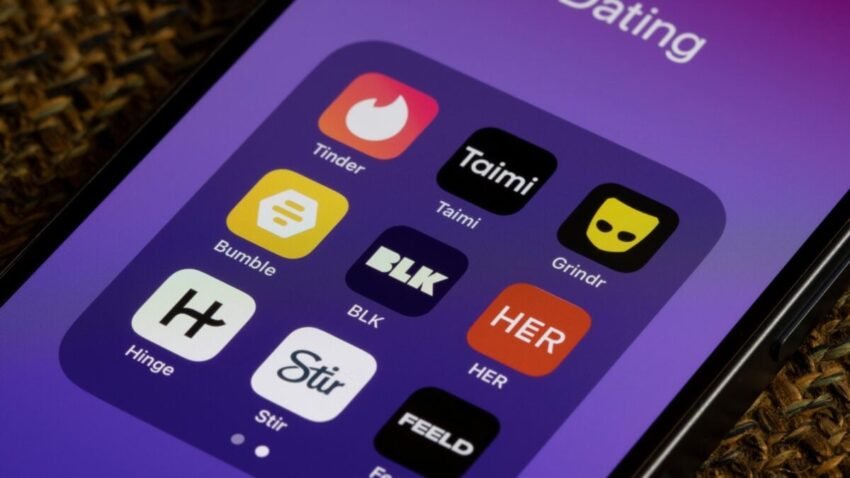
Dating apps like Grindr and Tinder have already become reliant on AI coding to function—and that’s on top of the old-fashioned AI algorithms that have long powered their core search and discoverability features. It’s a little disquieting to contemplate any additional AI use on the user end. Then again, if this is the system that keeps people in the realm where dating is something you at least do with a human, rather than surrendering your romantic life to AI entirely, maybe it’ll have to do.