
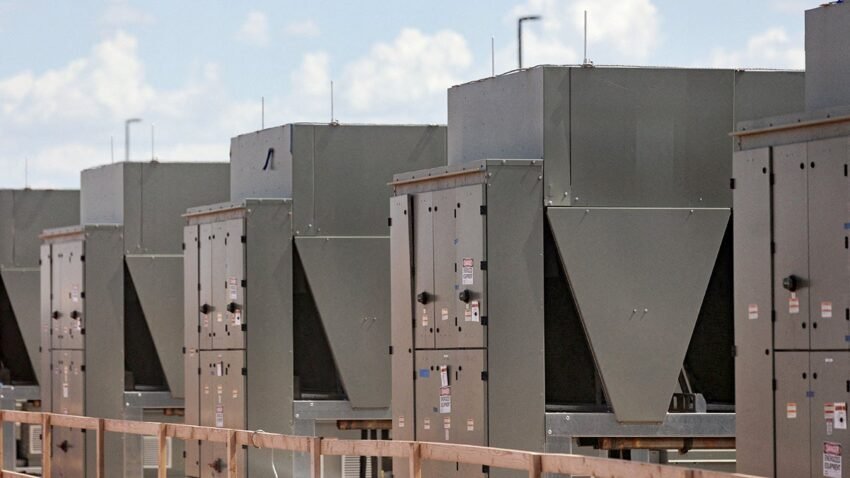
OpenAI is promising greater transparency and community involvement in its massive data center expansion as Democrats push to restrict new facilities following sweeping victories in Tuesday’s midterm elections.
The ChatGPT maker announced Thursday that it will stop using non-disclosure agreements with public officials during negotiations over future data center sites, while giving local residents access to construction plans and information about potential traffic, noise and lighting disruptions.
The new policies, which OpenAI says have been in development since August, are aimed at building public trust as communities across the country raise concerns about the economic and environmental effects of the artificial intelligence boom.
“We need to do a better job of really communicating to people, to local communities, about why data centers can be beneficial to them,” OpenAI President Greg Brockman said Wednesday.
The announcement comes after Democrats flipped governorships in Texas, Georgia and Ohio, with winning candidates pledging to pause new data center permits and tighten construction regulations.
Of the 41 data center-related ballot measures decided this week, all but one went against data centers, according to Ballotpedia.
OpenAI is also emphasizing the potential economic benefits of its projects. Chris Lehane, the company’s chief global affairs officer, said one planned facility in southern Ohio is expected to support 2,500 long-term jobs with an average annual salary of $80,000.
Lehane argued that AI data centers would generate ongoing employment because their computing equipment must be replaced or upgraded every three to five years.
The company faces growing pressure to convince skeptical communities that the rapid expansion of AI infrastructure will deliver lasting local benefits rather than simply increasing demand for electricity and other resources.
Reuters contributed to this report.